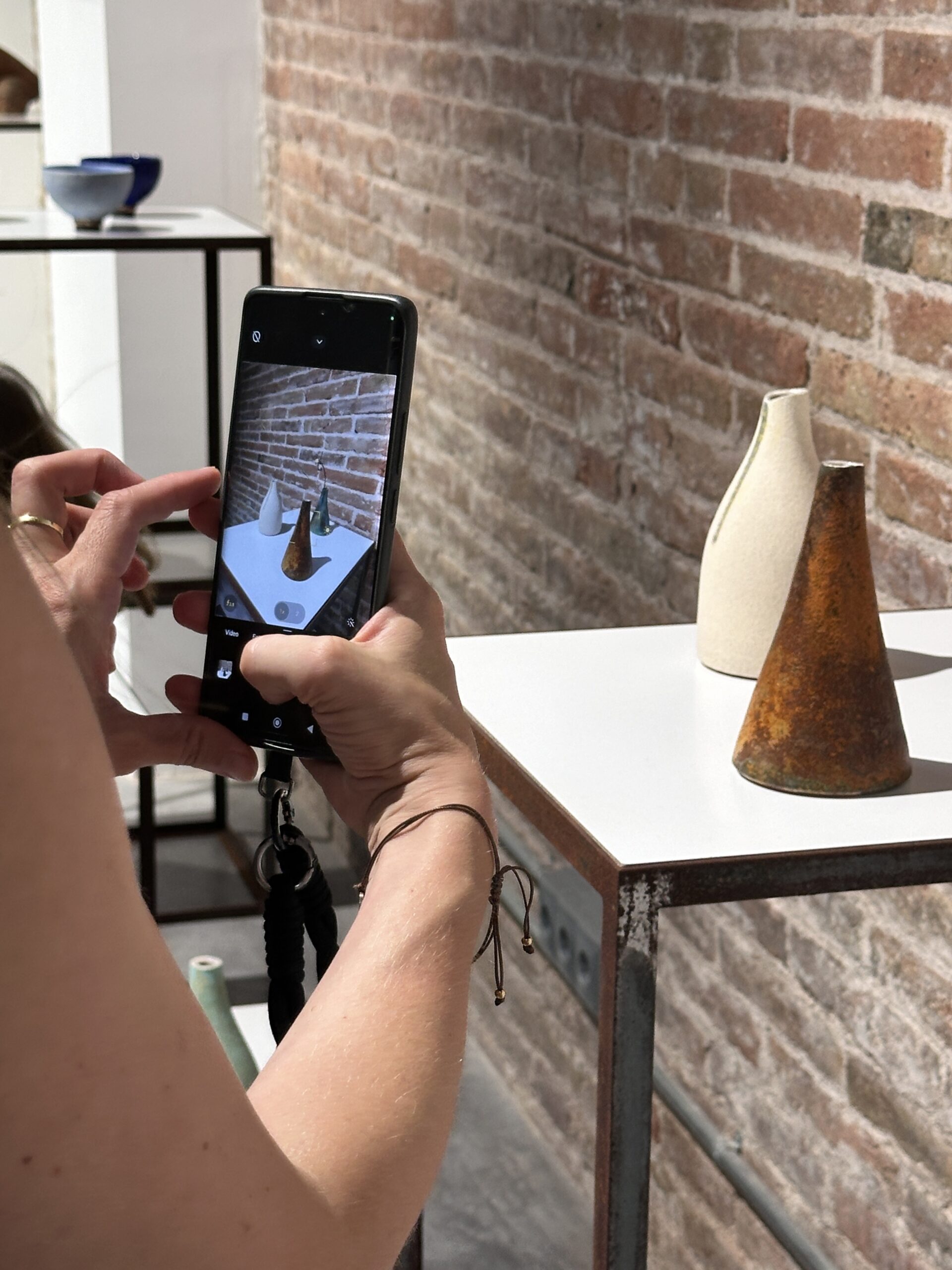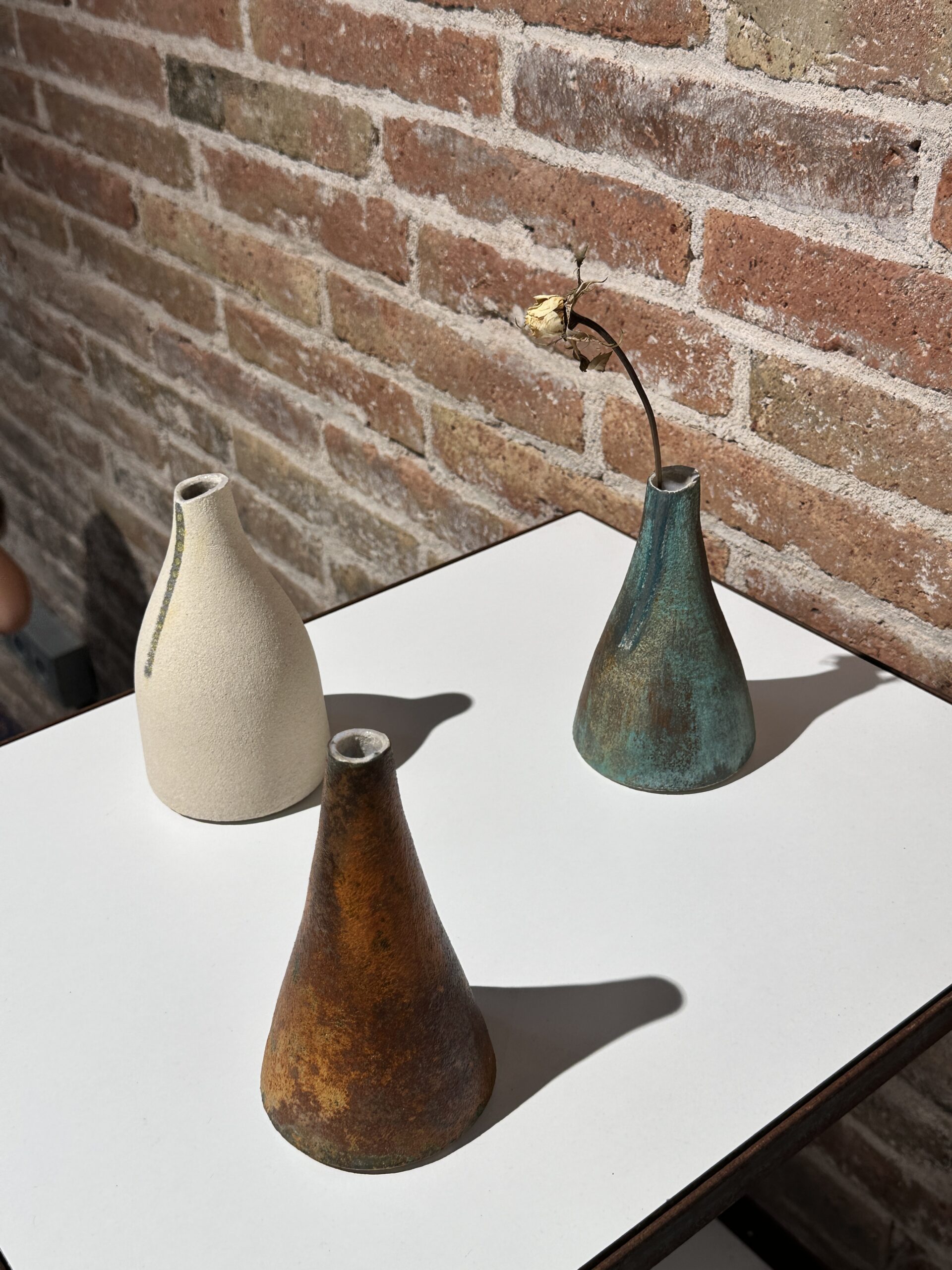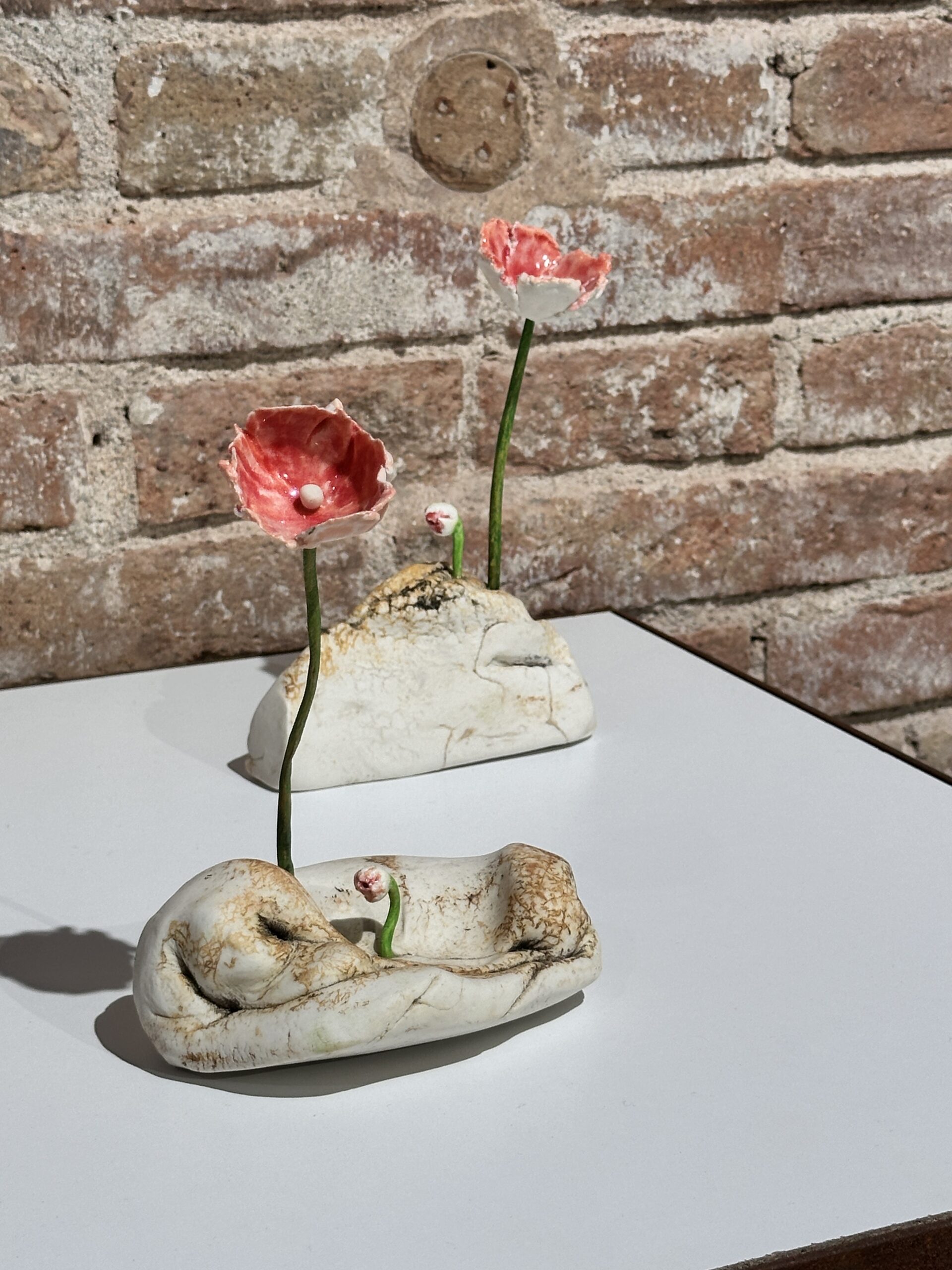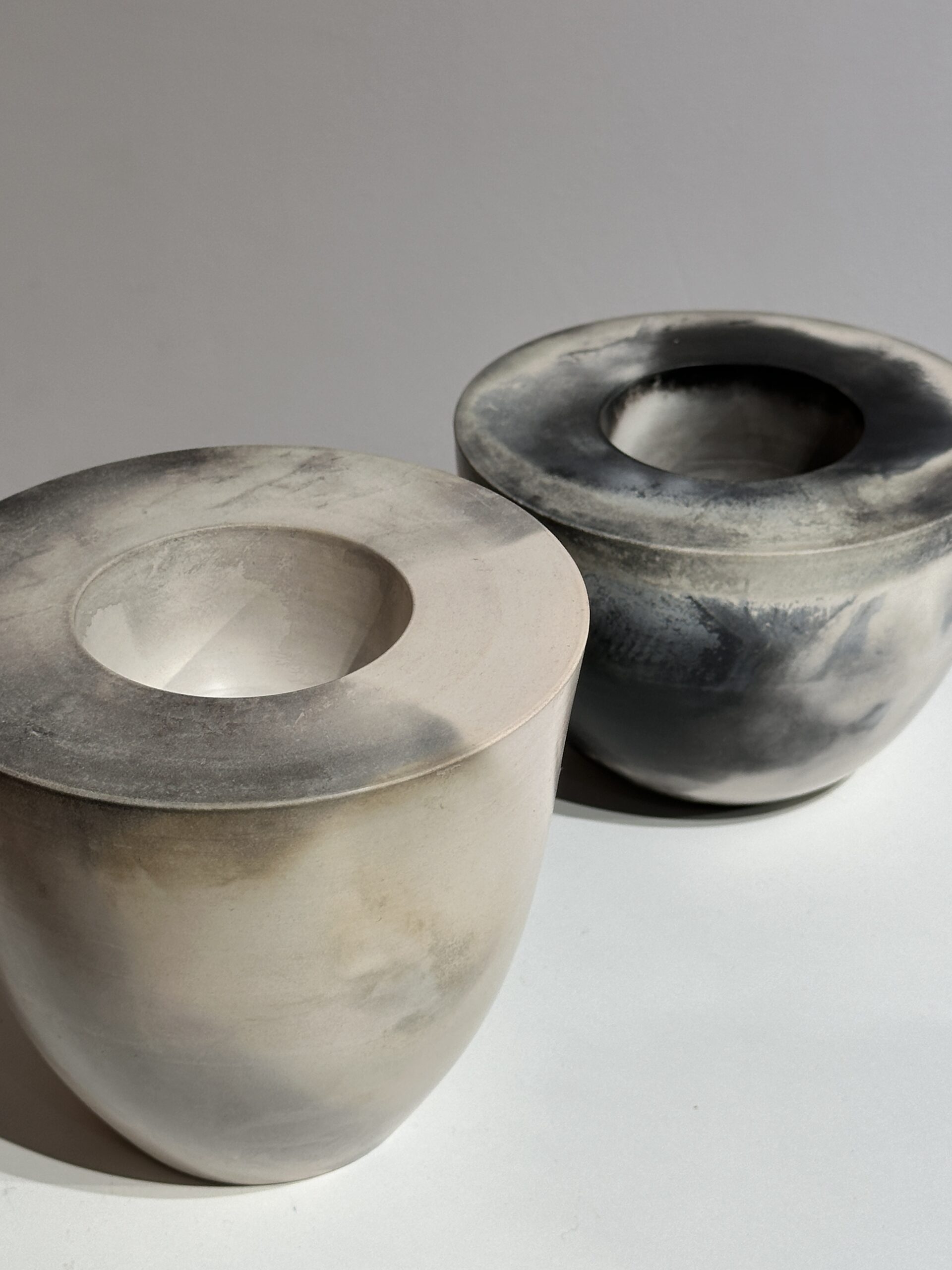
Microcosmos: small-format ceramic exhibition
Eight ceramists from the Catalan Association of Ceramists condense entire universes into small-format ceramic pieces. From July 23 to August 11.
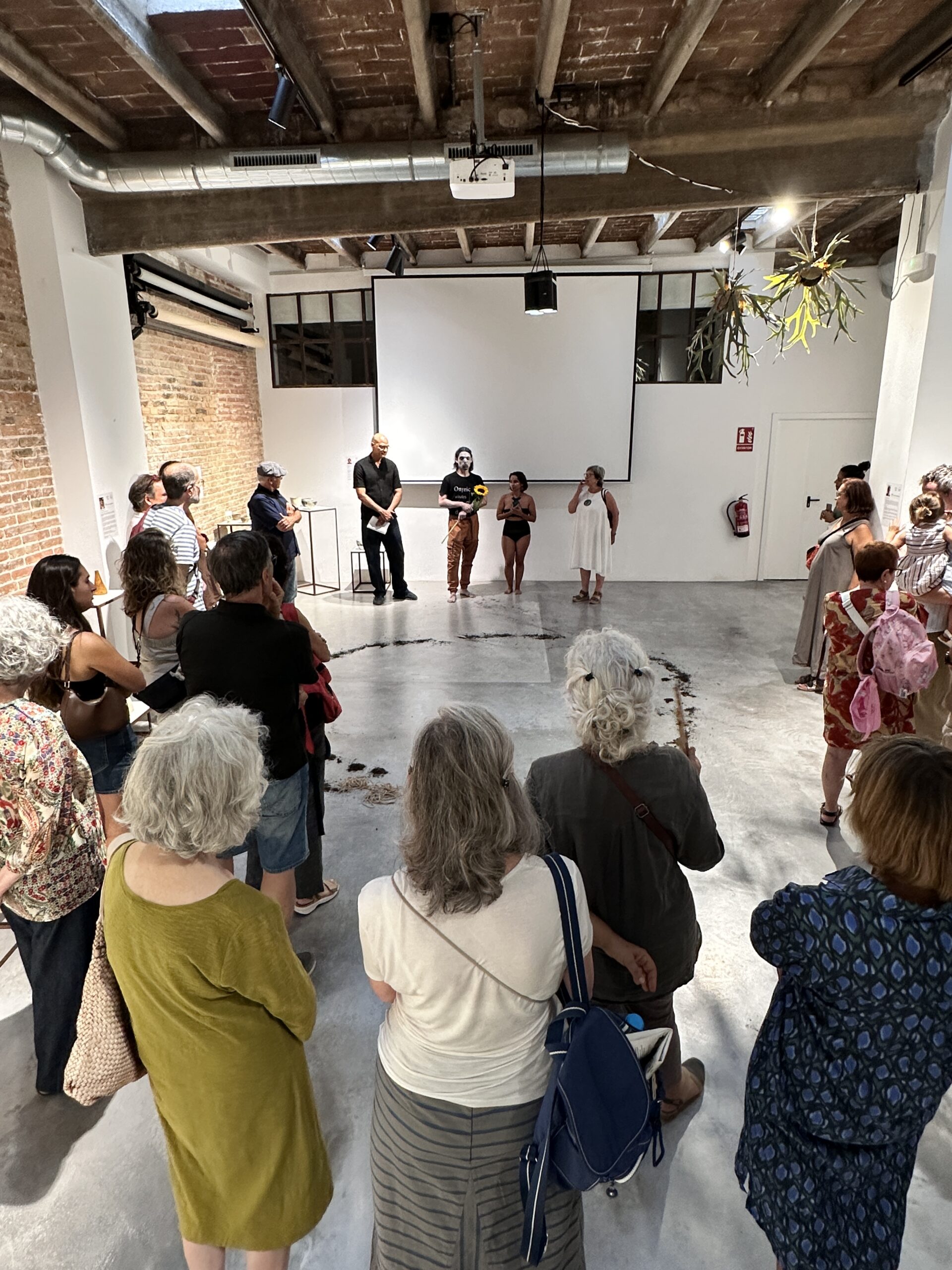
Microcosmos is a collective ceramic exhibition bringing together eight artists from the Catalan Association of Ceramists around a common idea: to discover how ceramics can contain entire universes within the reduced space of a small-format piece.
Each work is presented as a microcosm in which matter, fire, time, and gesture converge to build their own narratives. Through diverse languages, from utilitarian ceramics to sculpture, porcelain, or experimentation with glazes and firings, the exhibition highlights the expressive richness of contemporary ceramics and the unique relationship each artist establishes with clay.
Far from being a limitation, the small format focuses attention on the essential: texture, light, volume, and the imprint of the creative process. Microcosmos invites the viewer to pause, observe carefully, and discover that, within the intimacy of a few centimeters of material, landscapes, memories, emotions, and ways of understanding the world can reside.
The result of a collaboration between the Catalan Association of Ceramists and Musubu Espai Cultural, the exhibition constitutes a meeting point between tradition and innovation, craft and contemporary creation. A dialogue that champions ceramics as a living artistic language, capable of connecting technical excellence with research, sensitivity, and human experience.
Microcosmos arises from the encounter between these two institutions, which share a common commitment to contemporary ceramics, albeit from complementary perspectives. The Catalan Association of Ceramists, with a long history in the promotion, conservation, and dissemination of ceramics, contributes knowledge, experience, and the diversity of a community formed by artists of different generations and languages. Its work has been fundamental in strengthening the Catalan ceramic fabric and giving visibility to contemporary creation.
For its part, Musubu Espai Cultural offers a meeting space in which art is understood as a tool to generate connections, foster dialogue, and create new opportunities for exchange between disciplines, cultures, and audiences. Its contemporary and transversal approach transforms the exhibition into a platform open to new ways of approaching ceramics.
The collaboration between both entities allows for building bridges between tradition and innovation, between established artists and new generations, and between ceramic craft and current artistic practices. This dialogue enriches the visitor’s experience and places ceramics in a living, dynamic, and constantly evolving context.
More than a collective exhibition, Microcosmos represents a community of creators who share an interest in material research and excellence in craftsmanship. The alliance between the Catalan Association of Ceramists and Musubu Espai Cultural demonstrates how collaboration between cultural institutions strengthens the artistic ecosystem, expands the dissemination of contemporary ceramics, and generates new spaces for interaction between artists and society.
A way of understanding ceramics
In Microcosmos, matter ceases to be a support and becomes the subject of the work. Among all the artists present in the exhibition, matter occupies a central place. Clay is not understood merely as a material with which to build objects, but also as a medium for research capable of recording time, gesture, fire, and transformation. Each artist establishes a unique dialogue with it, revealing different ways of understanding its behavior and expressive capacity.
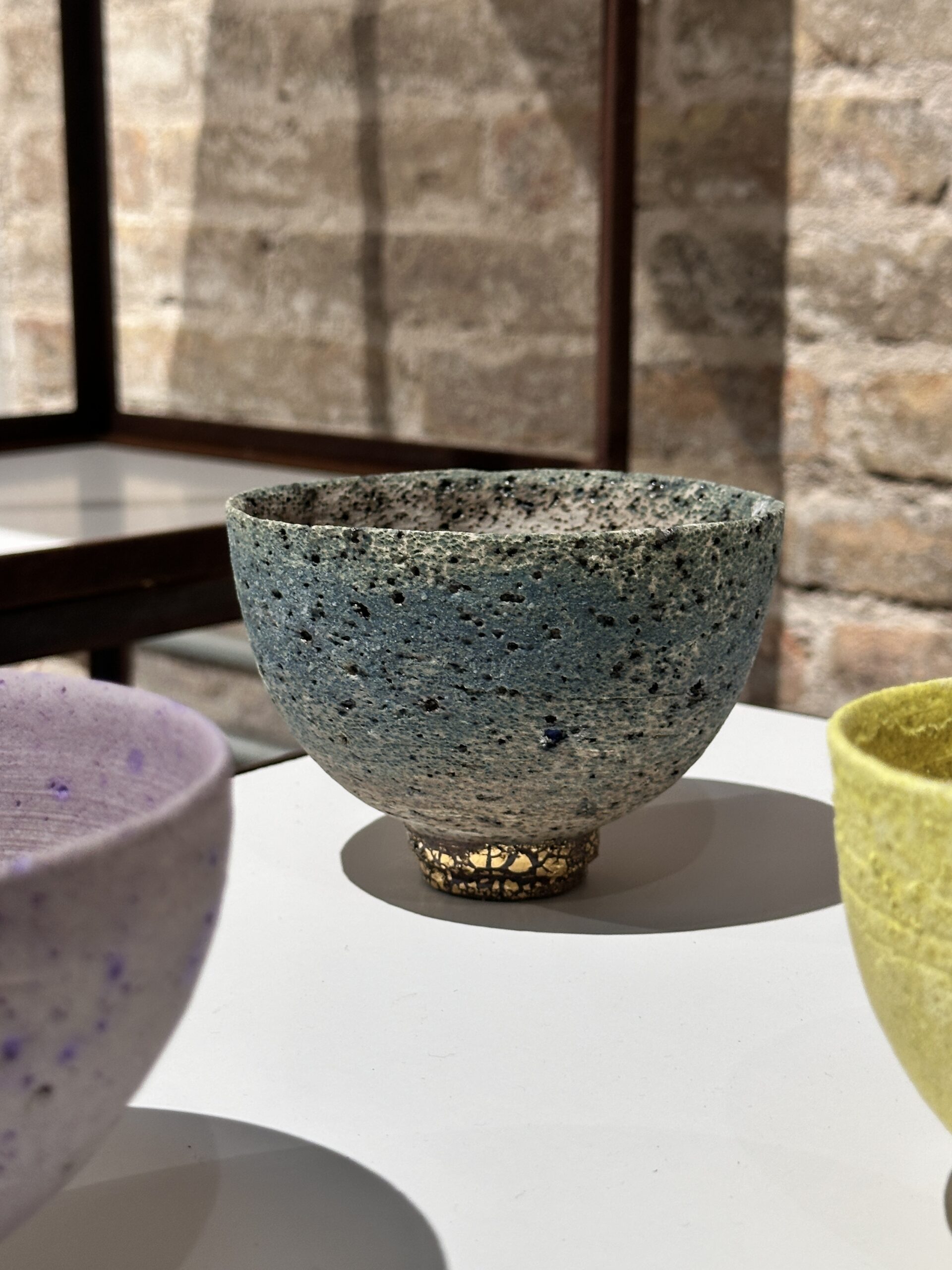
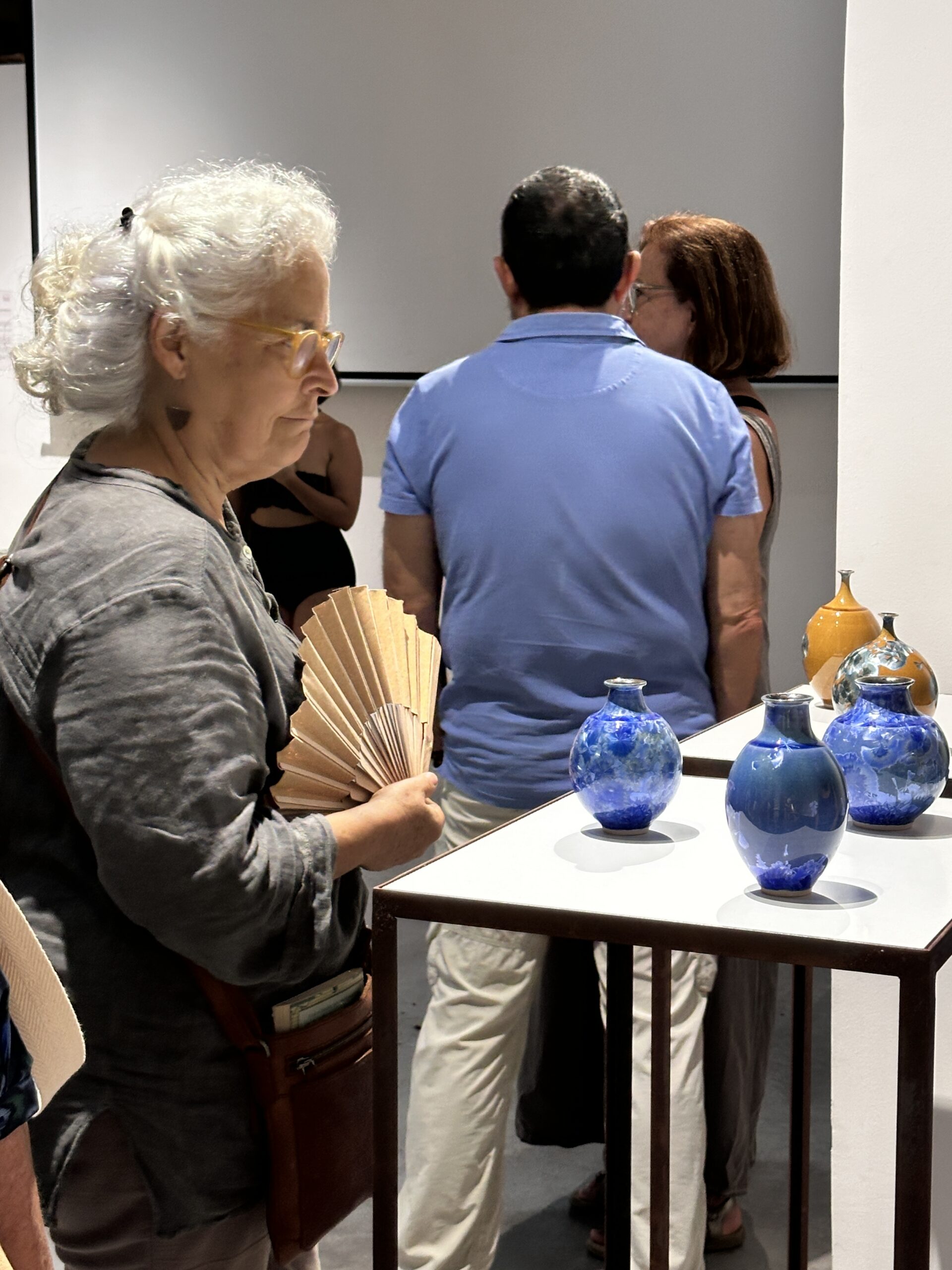
- Gloria Ferrer Rom explores the possibilities of textures and glazes, constructing surfaces with a distinct Mediterranean identity where color and the skin of the piece acquire essential prominence.
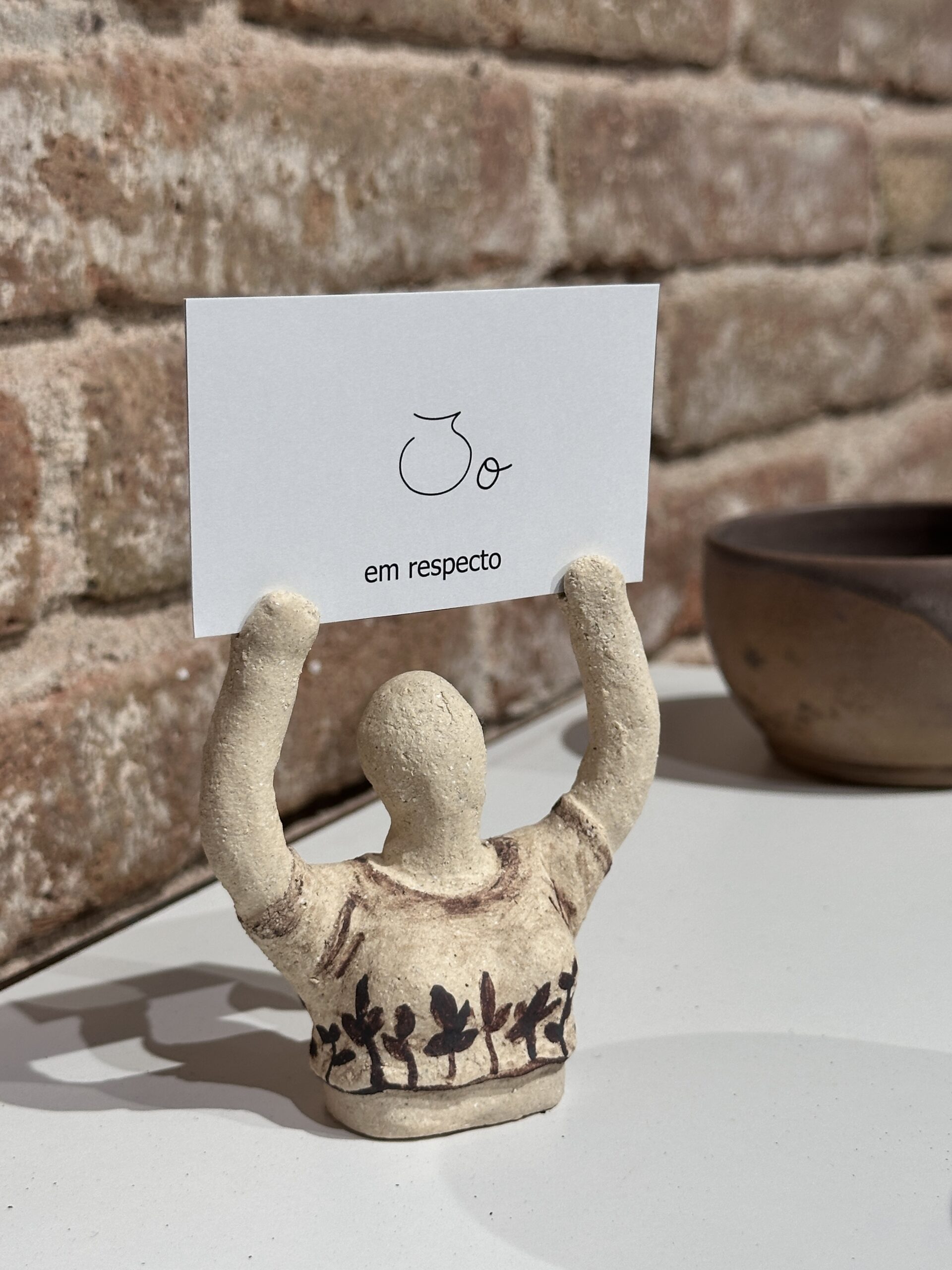
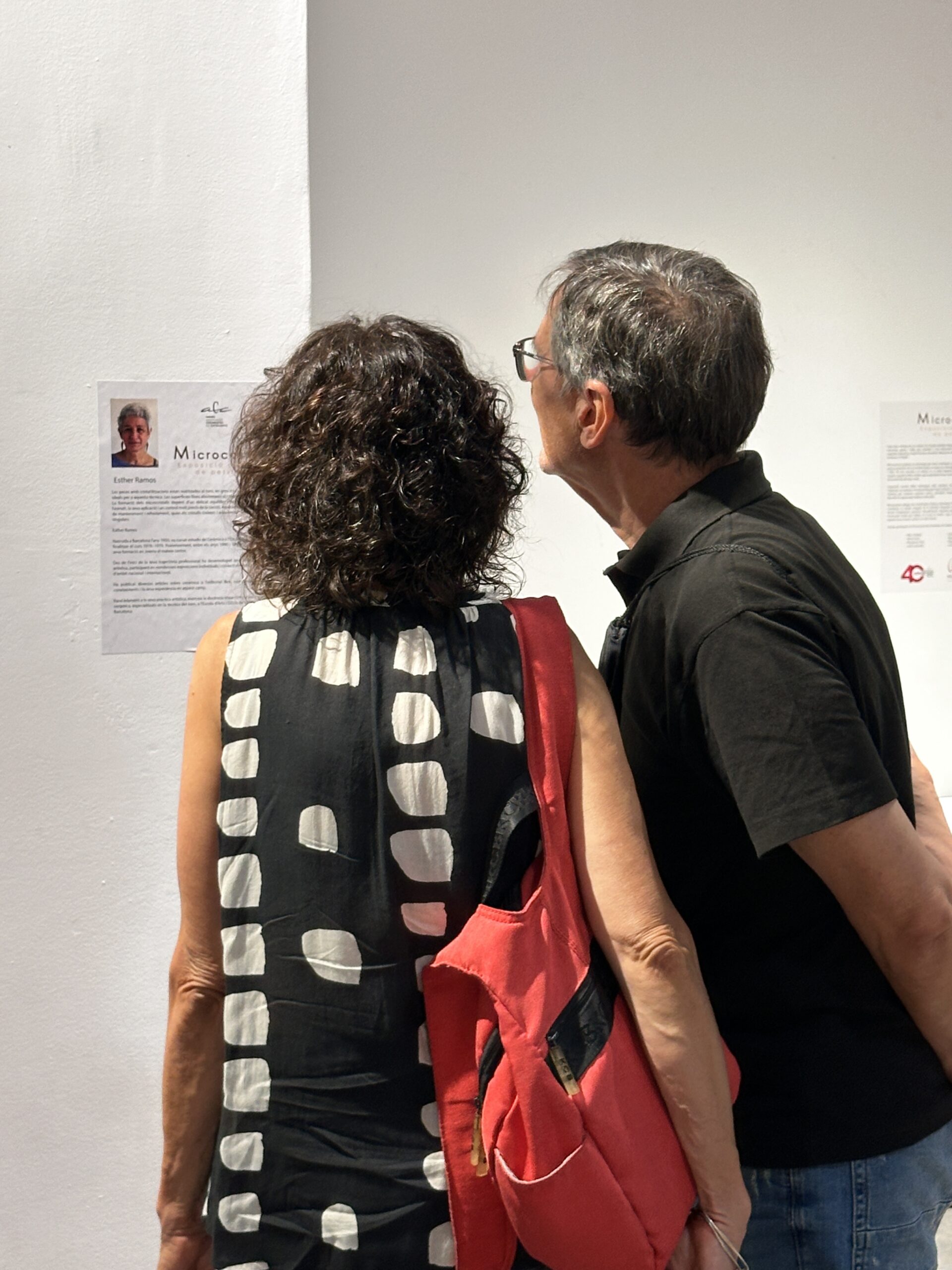
- Esther Ramos focuses her research around the potter’s wheel, understanding it not only as a production technique but also as a language that brings rhythm, balance, and formal precision to each work.
- Judit Casanelles develops ceramics in which glaze, material, and daily use constantly dialogue. Her pieces champion the beauty of functional objects, turning the experience of using them into a form of relationship with the material.
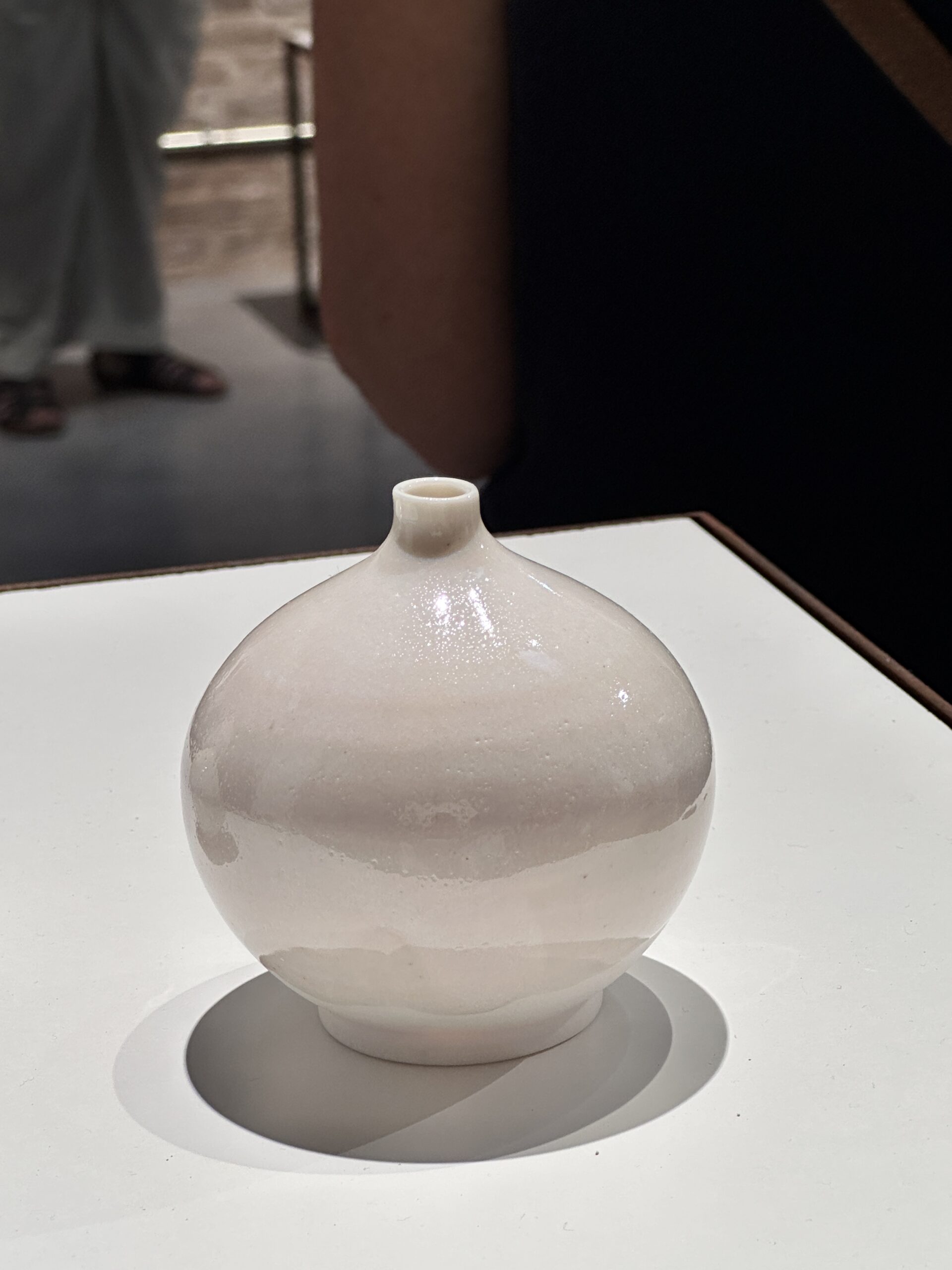
- In Maya Kitti‘s work, porcelain becomes a material capable of making light visible. Her research explores transparency, thickness, void, and the contrast between light and dark porcelains, generating a delicate tension between presence and absence.
- Mila Cristóbal Escoda approaches matter from a sculptural perspective. Volume, spatial construction, and the physical presence of the pieces are the elements that articulate a work in which ceramics dialogues with contemporary sculpture.
- Montserrat Altet transforms matter into landscape. Her works establish relationships between earth, memory, and territory, using ceramics as a language capable of evoking essential spaces in which the physical and the symbolic converge.
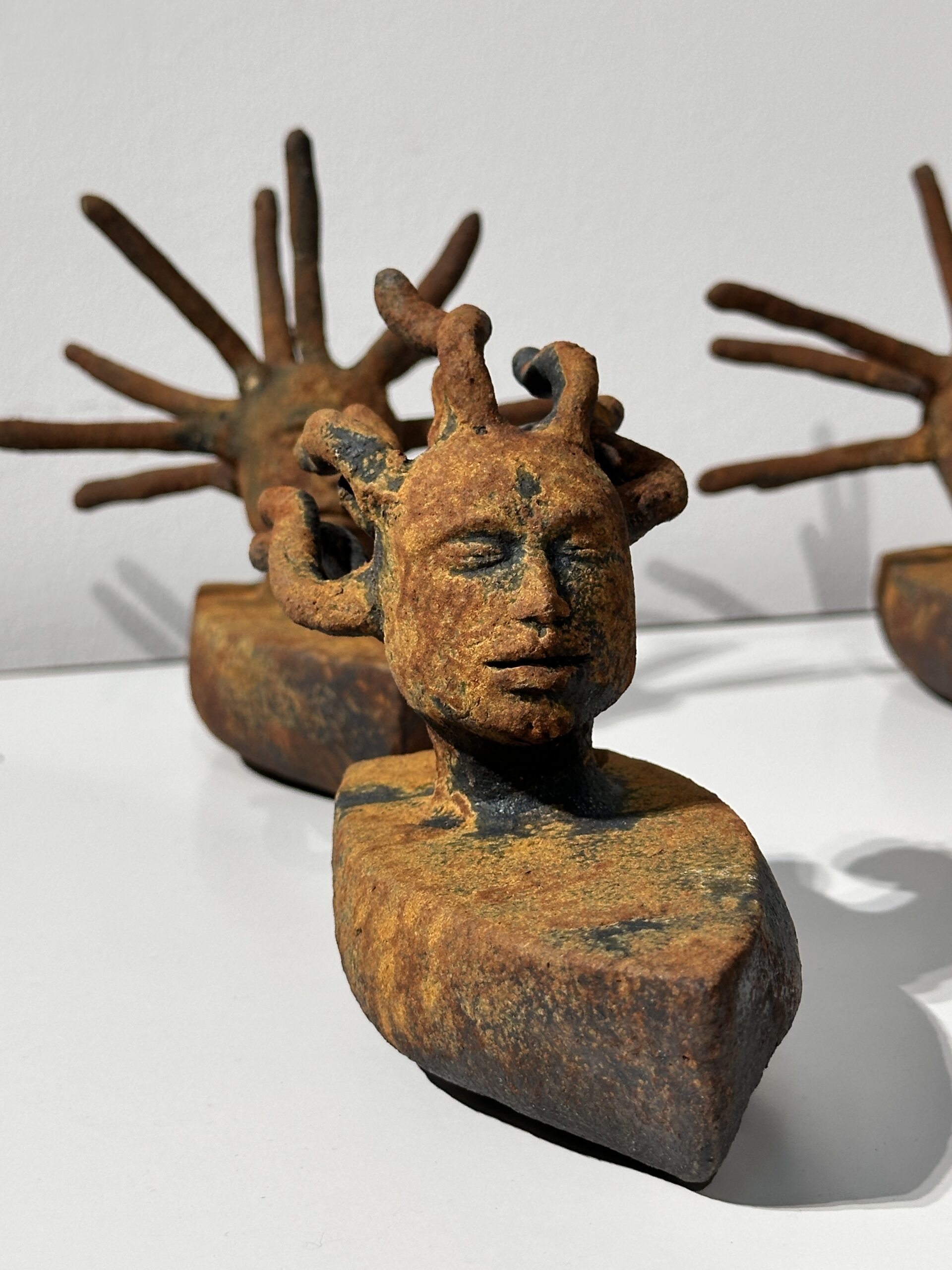
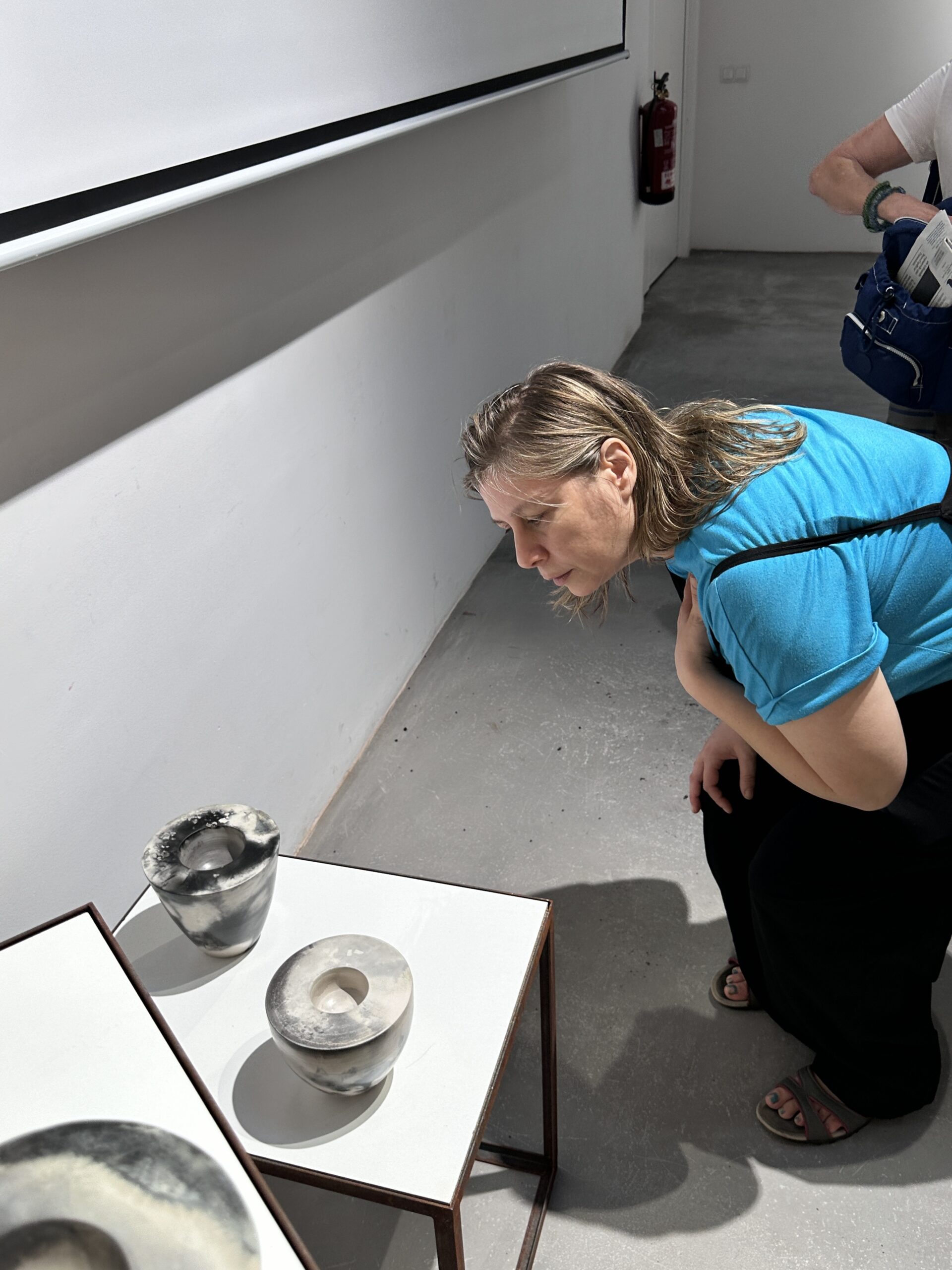
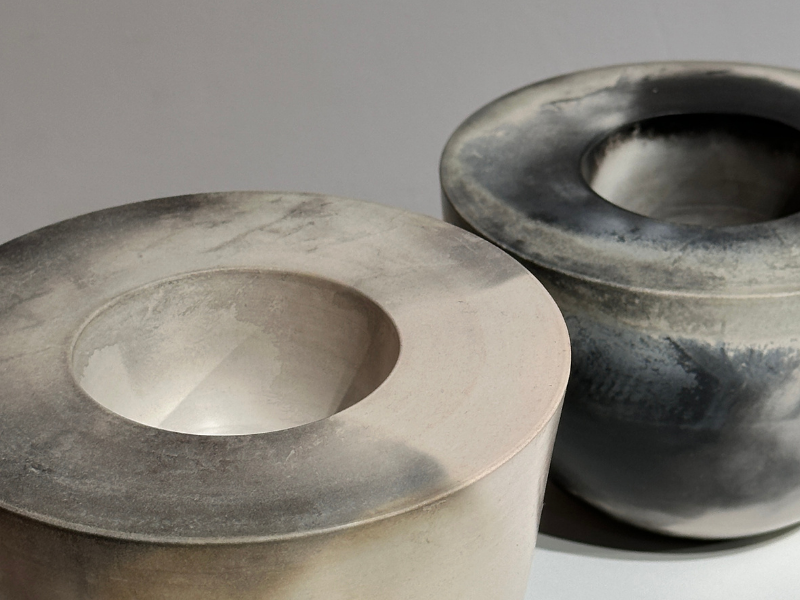
- Xavier Bienvenido Mestre investigates the transformation processes caused by fire and smoke. His experimental firings turn each piece into the result of an open and unpredictable process, in which chance actively participates in the construction of the final image.
- Miguel Rivas understands clay as a record of gesture and time. His forms preserve the imprint of the creative process and transform the material’s transformation into a reflection on the body, memory, and change.
Although their languages are diverse, they all share the same attitude: understanding ceramics as a territory of experimentation in which matter ceases to be a mere support and becomes the true protagonist. In their hands, clay speaks of identity, landscape, light, memory, time, and transformation, demonstrating that the richness of contemporary ceramics lies precisely in the plurality of ways of dialoguing with the same material.
Microcosmos will be open to the public at Musubu Espai Cultural from July 23 to August 11, Monday to Friday, from 4:00 PM to 8:00 PM.
Miguel Rivas
Cultural Manager