Kansha: Gratitude and Ceramics between Japan and the Taíno Caribbean
Kansha explores the parallels between the ritual figures of ancient Japan and Taíno cemíes through ceramic sculpture.
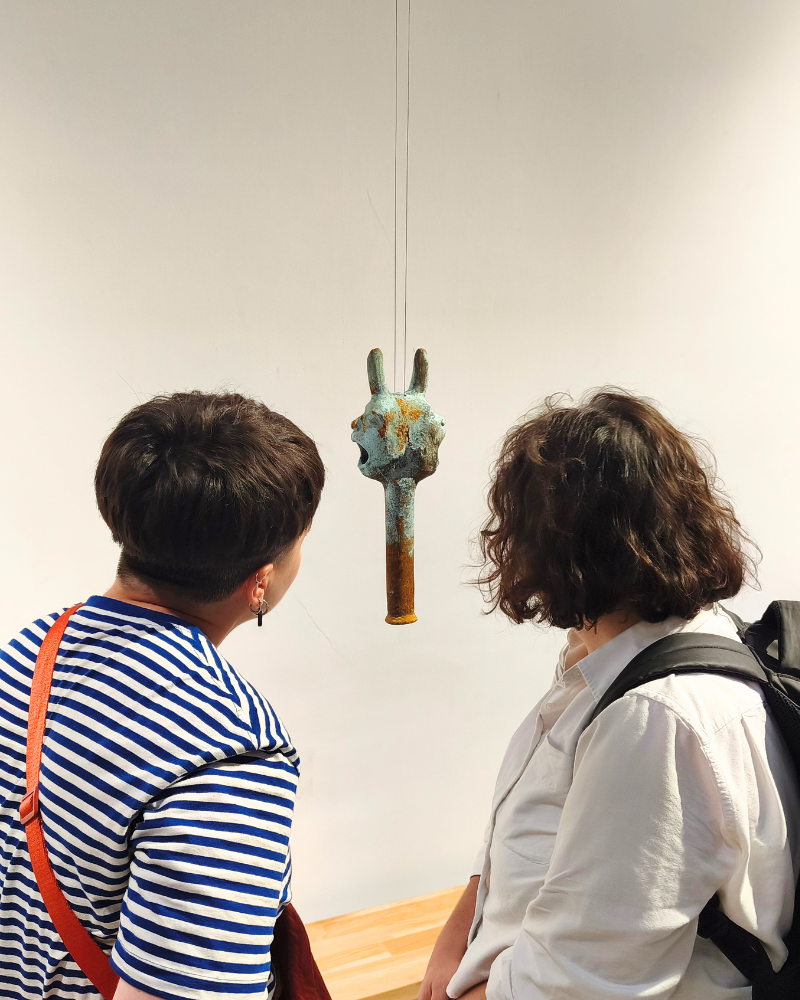
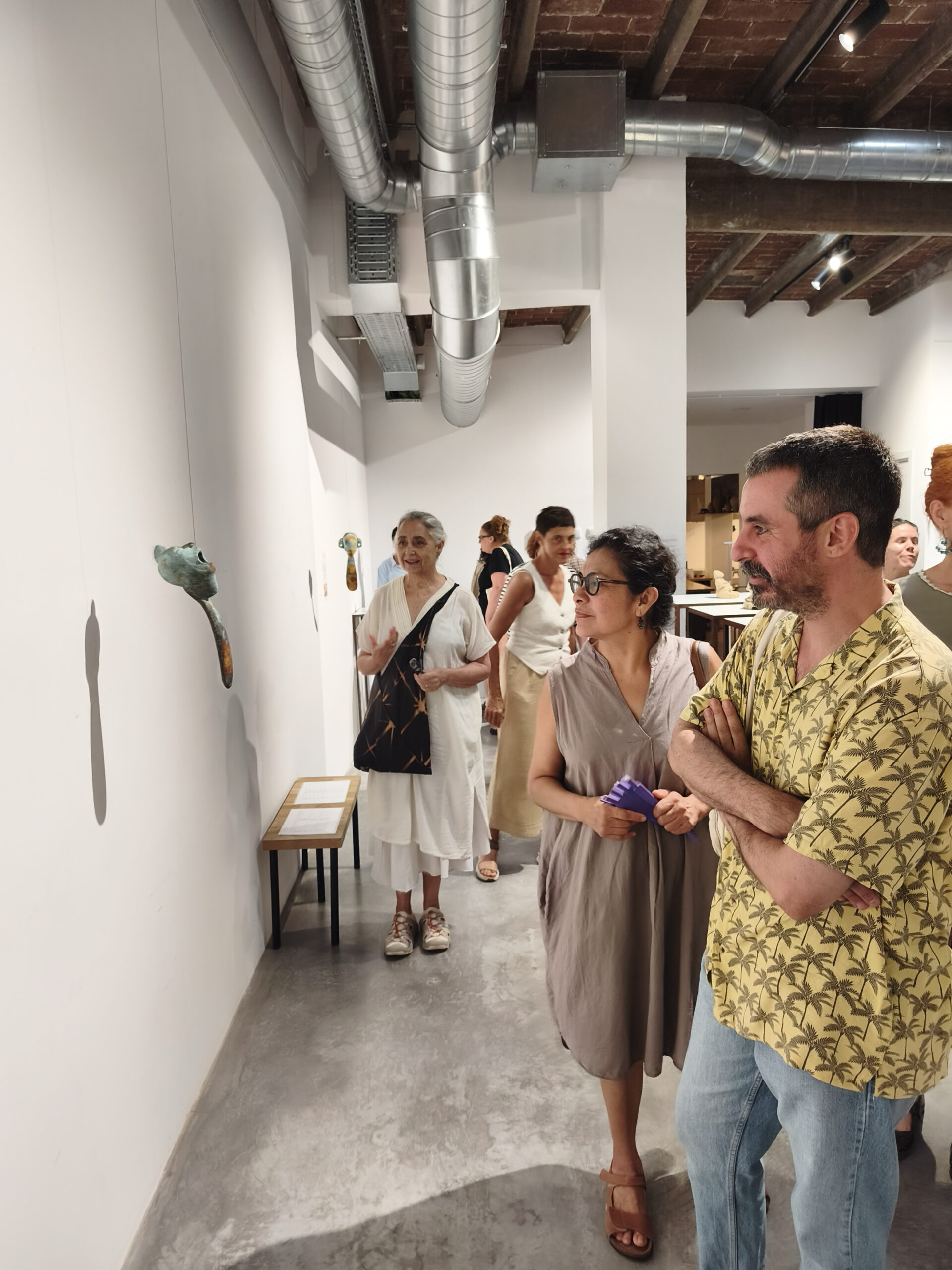
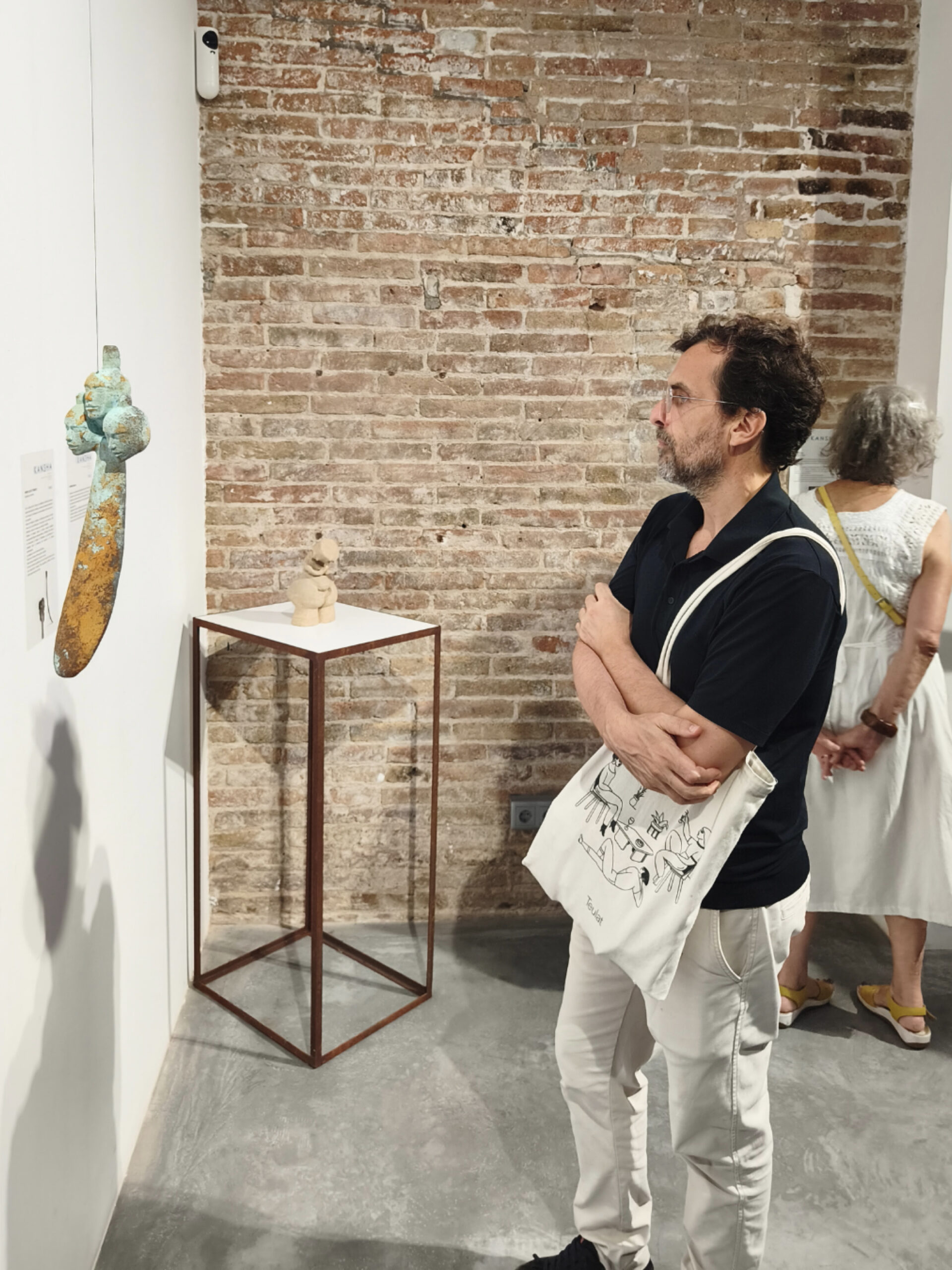
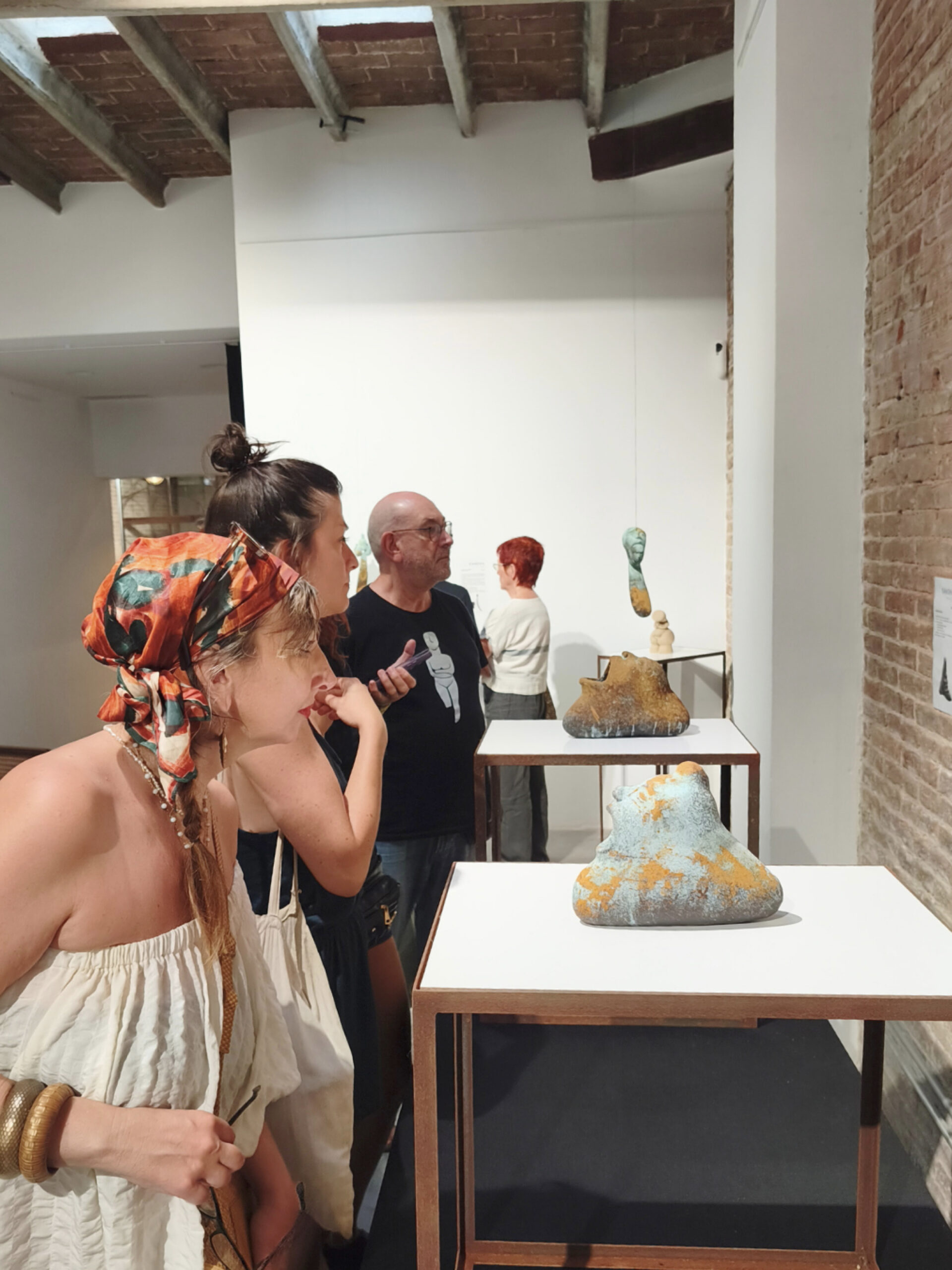
Kansha (感謝), gratitude, is the Japanese word that gives its title to the exhibition held from July 2 to 19, 2026 at Musubu Espai Cultural, a space conceived to create connections through art and cultural exchange. The assembled works speak from diverse languages, but share the same intention: to highlight the beauty of the essential, memory, time, nature, and the everyday gestures that often go unnoticed.
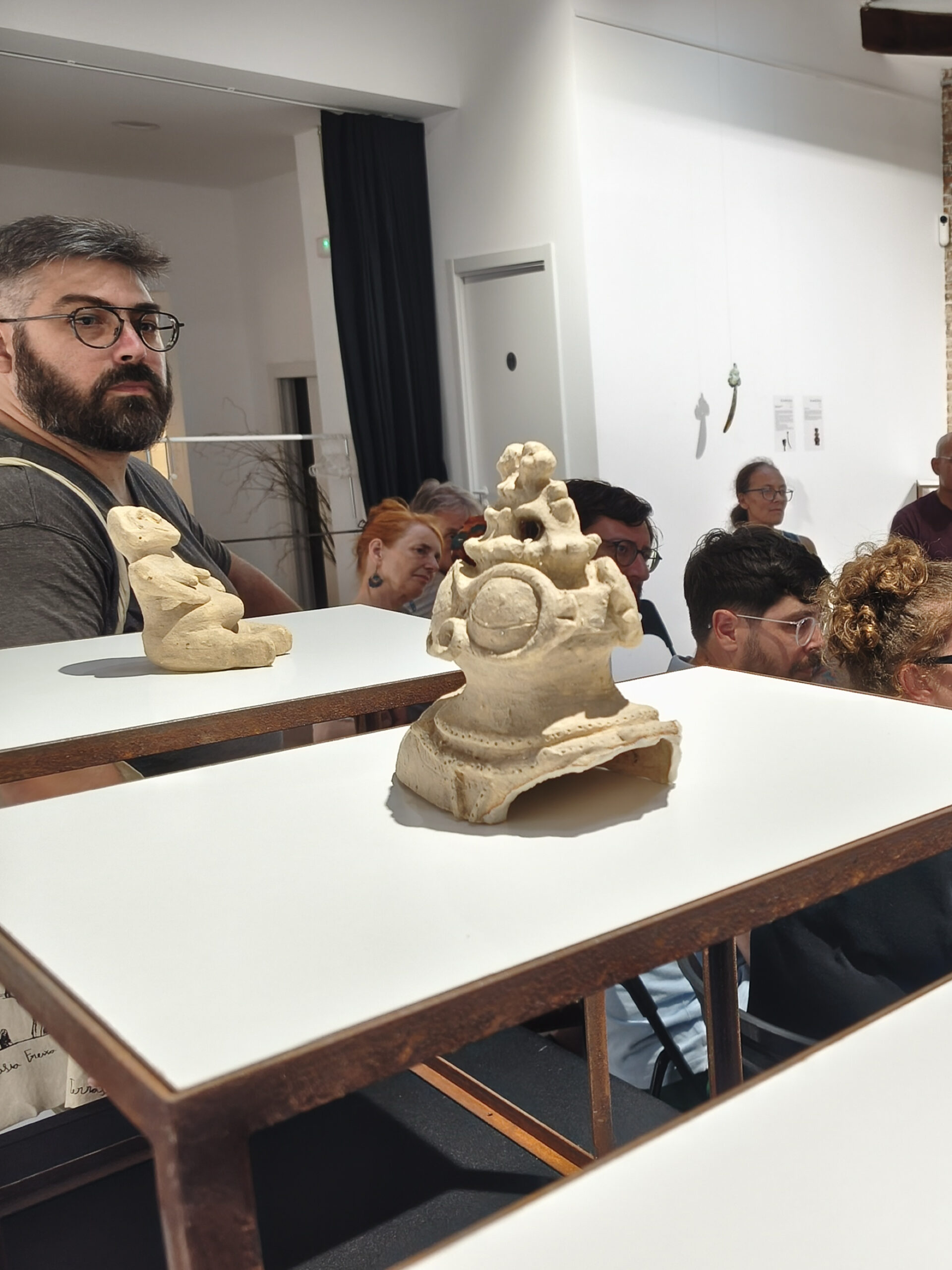
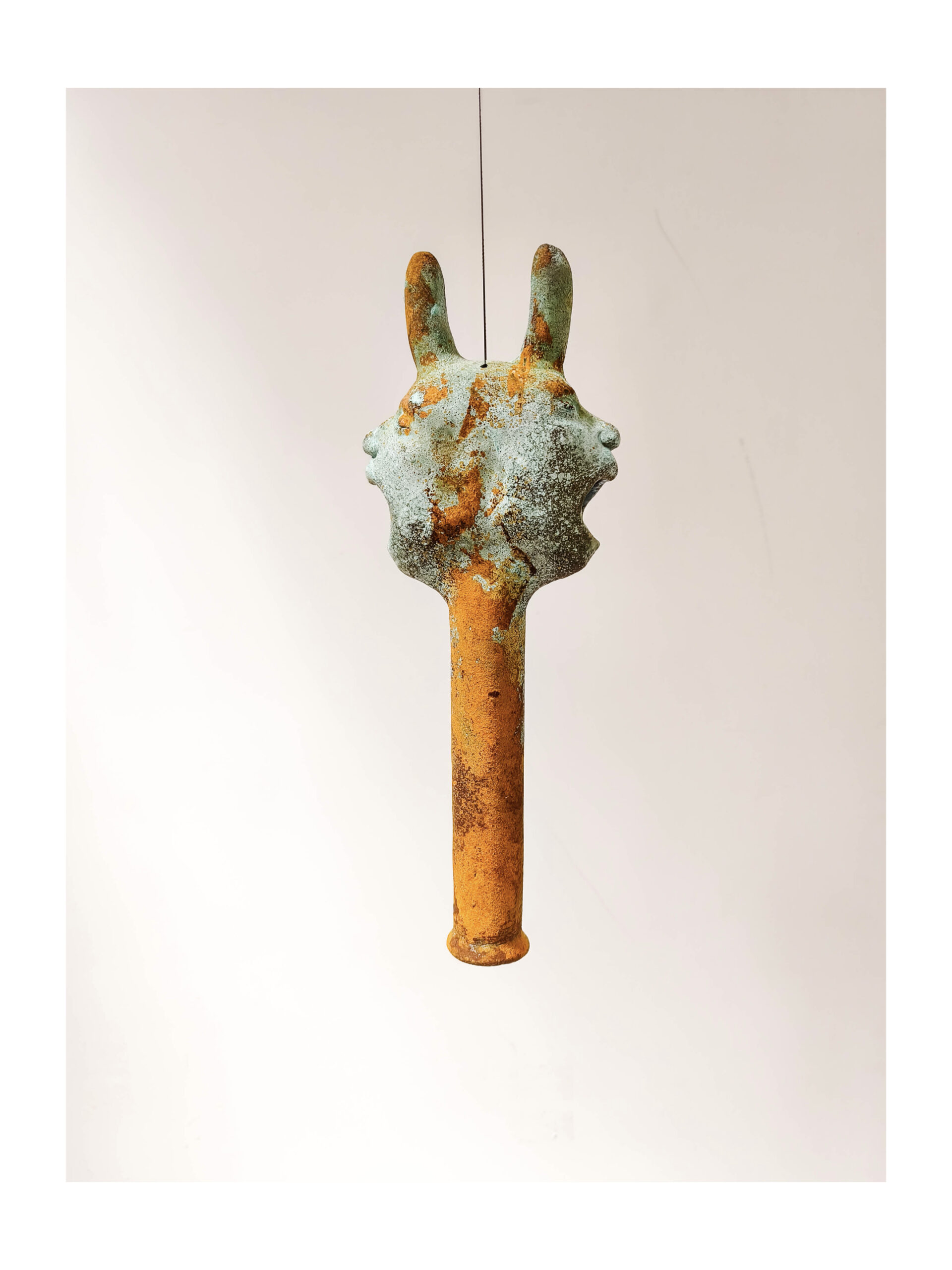
Kansha emerges from research that interweaves anthropology and art to explore how different cultures have used artistic creation as a means of connection with that which transcends the everyday. The exhibition takes as its starting point the dialogue between the ancient cultures of Japan and the Taíno Caribbean, revealing surprising parallels in their ways of representing the sacred. Japanese dogū and haniwa, like Taíno cemíes, were not simple decorative objects, but ritual figures conceived as mediators between the human world, nature, and the spiritual. Despite geographical and temporal distance, both traditions share a conception of art linked to memory, protection, ritual, and transformation.
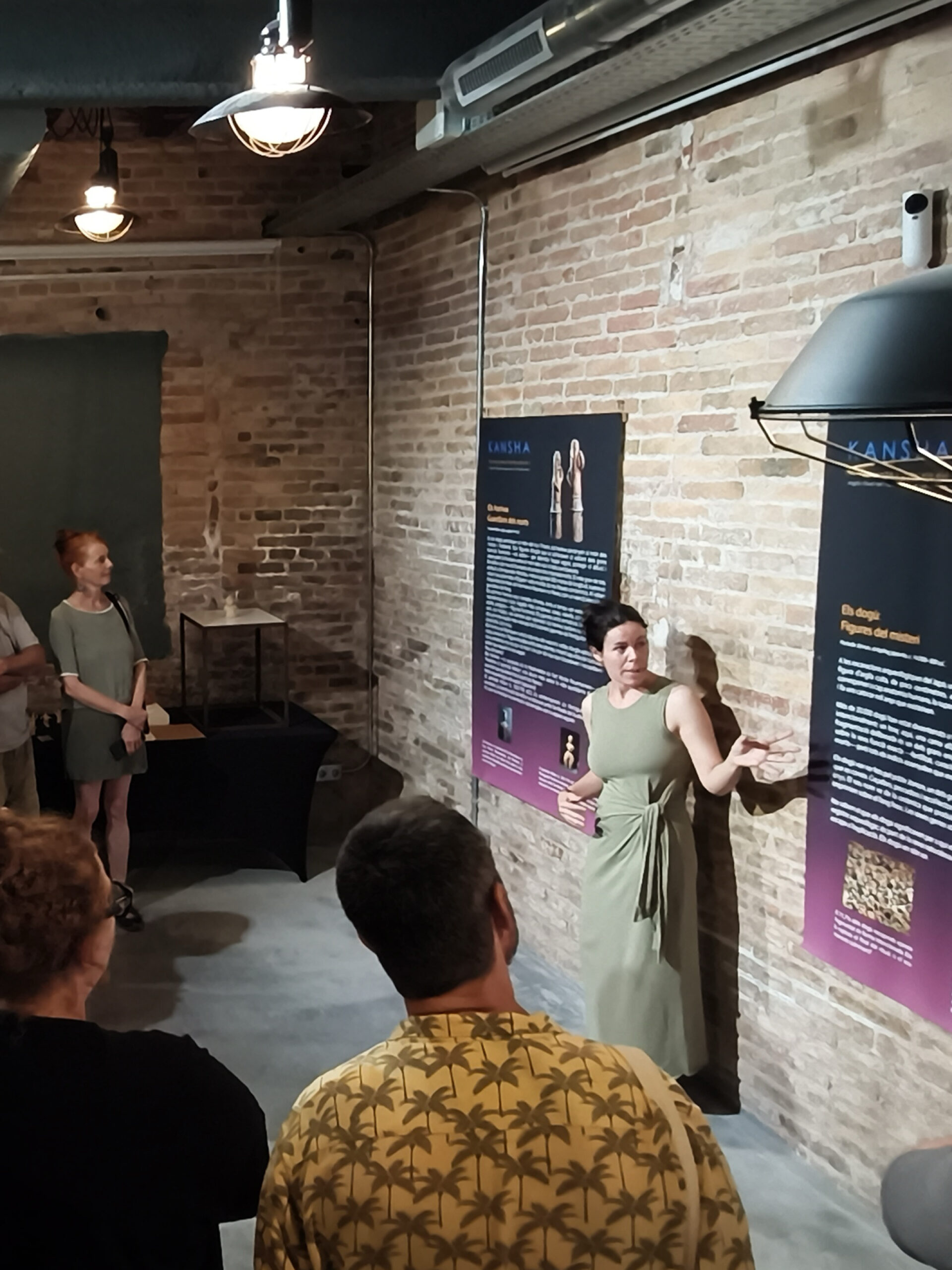
From the anthropological perspective, coordinated by historian Yukyko Takahashi, Kansha invites reflection on art’s capacity to respond to universal questions about life, death, territory, identity, and the relationship with the invisible. The exhibition does not seek to establish historical links between these cultures, but rather to reveal how different civilizations have developed similar symbolic responses through matter and artistic creation.
Two Contemporary Perspectives
In the artistic realm, the exhibition brings together two contemporary creators whose practices dialogue with these ideas from diverse languages.
- Anna Fornieles has lived in Japan for years and daily combines her passion for art, books, and ceramics, creating unique pieces that fuse Japanese and Mediterranean cultures. In her Tougei Tocoton workshop she teaches these techniques with passion and respect toward a tradition full of beauty and meaning.
- Miguel Rivas is an architect, visual artist, ceramist, and cultural manager of Dominican origin, based in Barcelona. His work integrates architecture, drawing, painting, and ceramics to investigate the relationship between matter, gesture, and time, developing an artistic practice that dialogues with memory, nature, and processes of transformation.
In the exhibition, each artist contributes a personal perspective on gratitude, understood as recognition toward nature, ancestors, time, human connections, or the very act of creating. Thus, Kansha establishes a bridge between ancestral thought and contemporary art, demonstrating that, beyond cultural differences, artistic creation remains a universal language for understanding our existence and strengthening the bonds that unite us with others and with the world.
Dogū, Haniwa, and Cemíes: Ritual Figures
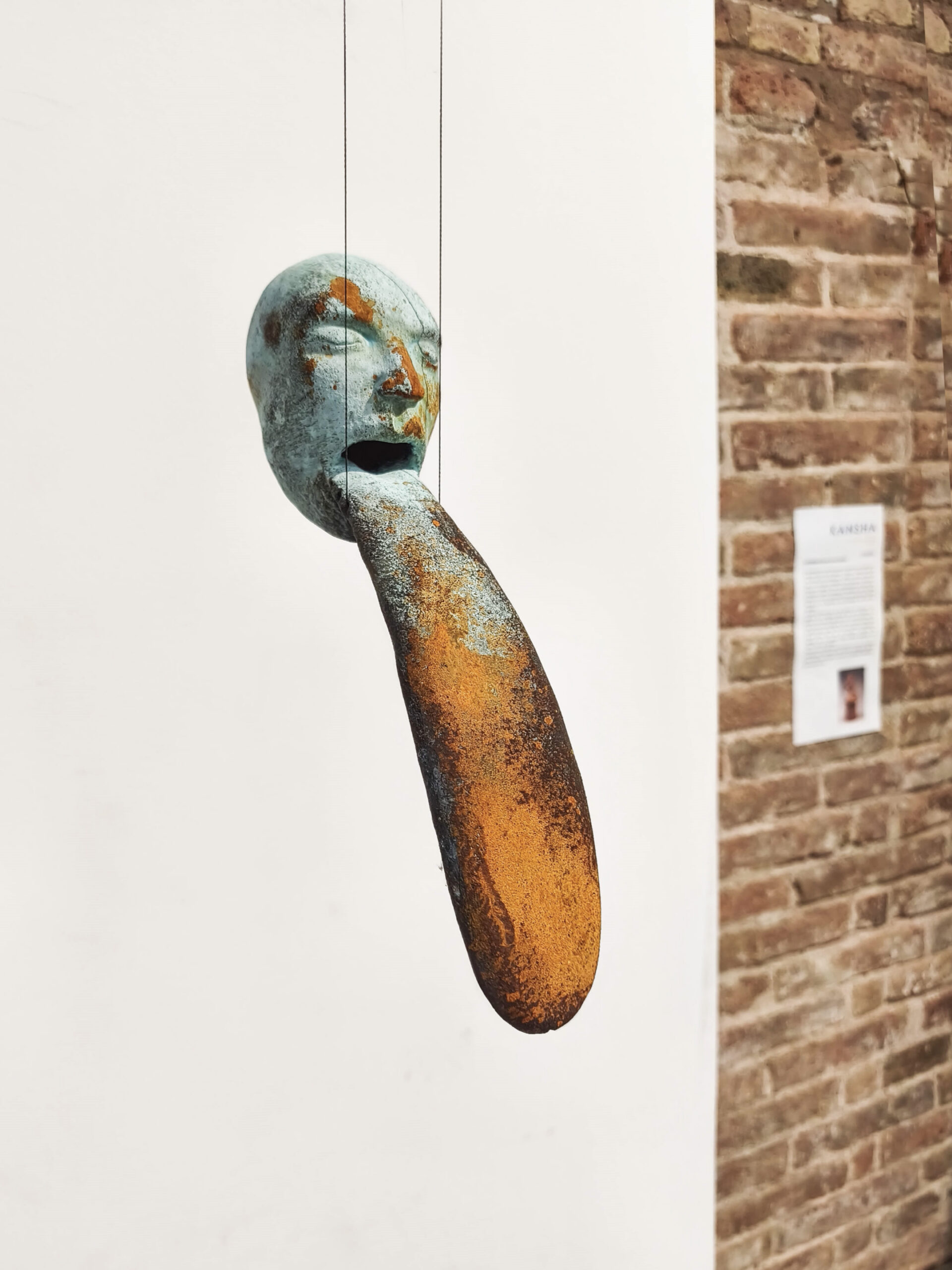
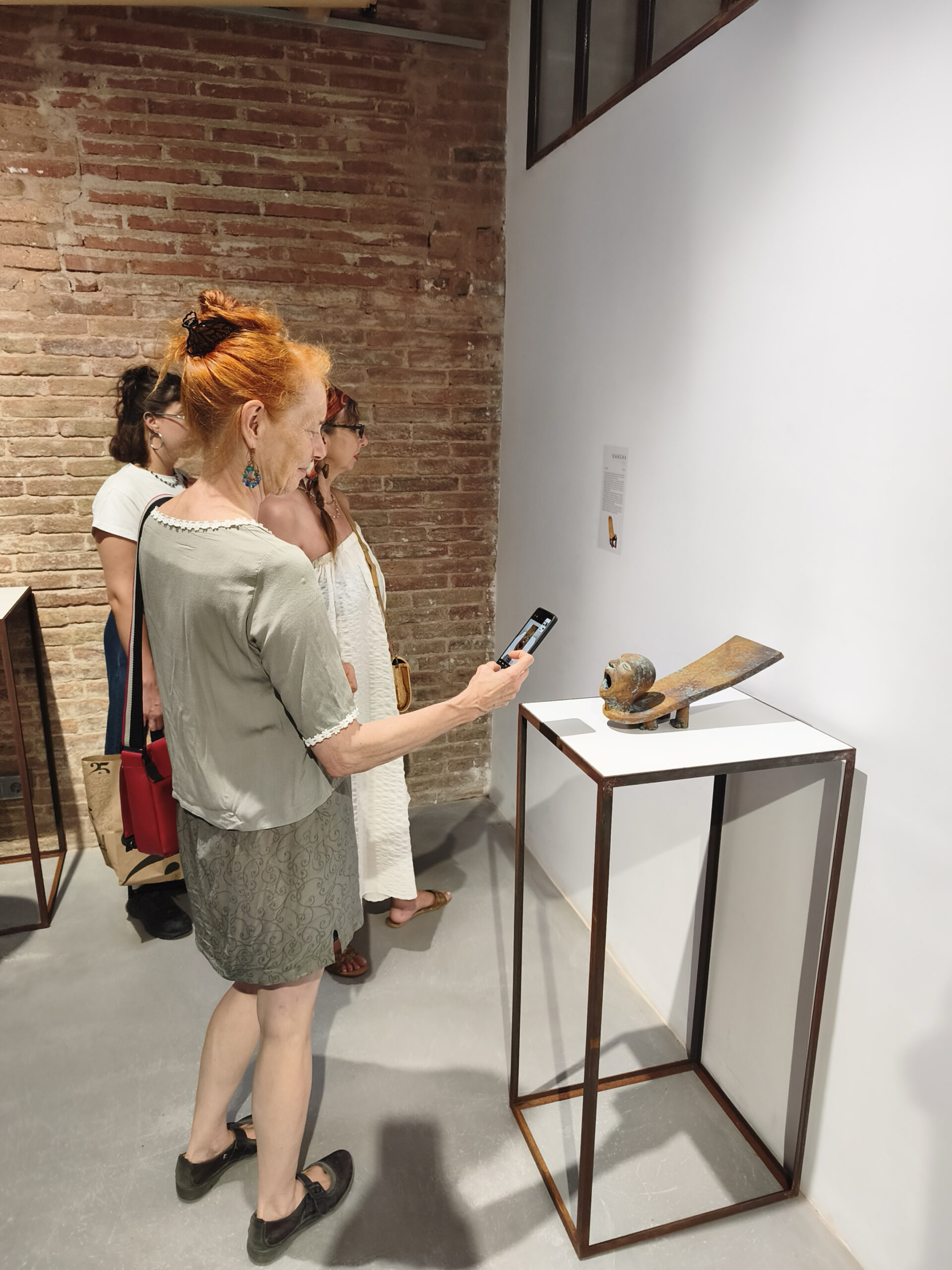
All the exhibited works are inspired by the ancestral figures of dogū, haniwa, and Taíno cemíes, as well as the Cohoba, a Taíno ritual ceremony.
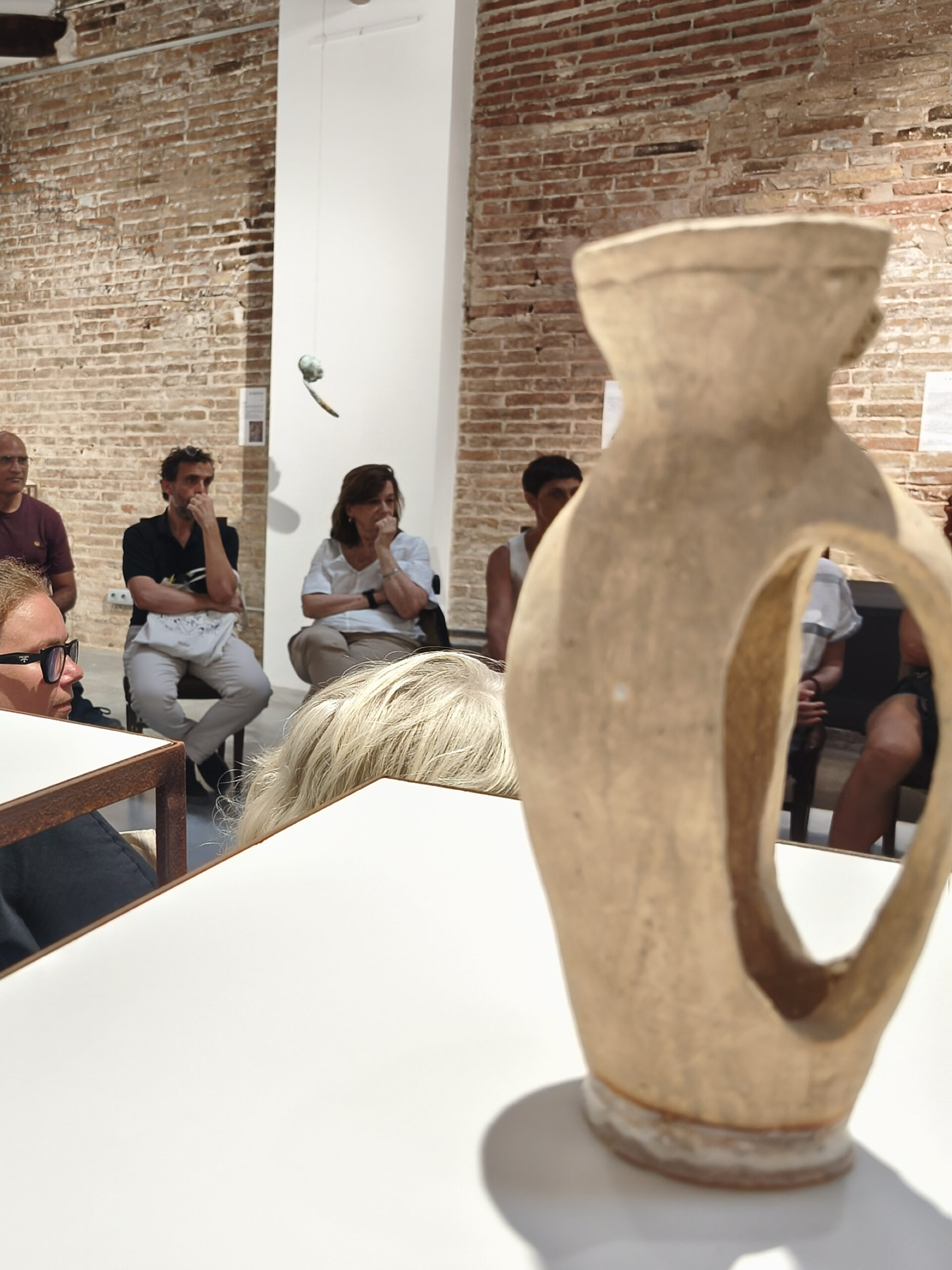
Dogū are ceramic figures from the Jōmon period (approximately 14,000 to 300 BC). They typically represent stylized human figures, often with large eyes, exaggerated forms, and symbolic details. They are believed to have had ritual or spiritual significance, possibly related to fertility, protection, or healing, although their exact function is not known with certainty. Many have been found intentionally broken, suggesting ceremonial use.
Haniwa belong to the Kofun period (3rd to 6th centuries AD). They are fired clay figures that were placed around burial mounds (kofun) to delimit the sacred space and protect the deceased. There are cylindrical haniwa and figurative ones representing people, warriors, houses, animals, or everyday objects, reflecting the society of the time.
The main difference is that dogū are linked to rituals and spirituality in life, while haniwa are related to death, remembrance, and funerary protection. Both are today important symbols of ancestral Japan and a constant source of artistic and cultural inspiration.
Cemíes and Taíno Culture
Taíno culture developed in the insular Caribbean, primarily in the Greater Antilles and some islands of the Lesser Antilles, before the arrival of Europeans. It consolidated approximately between the 7th and 15th centuries, and belonged to the group of Arawak peoples, originally from northern South America, who migrated toward the Caribbean.
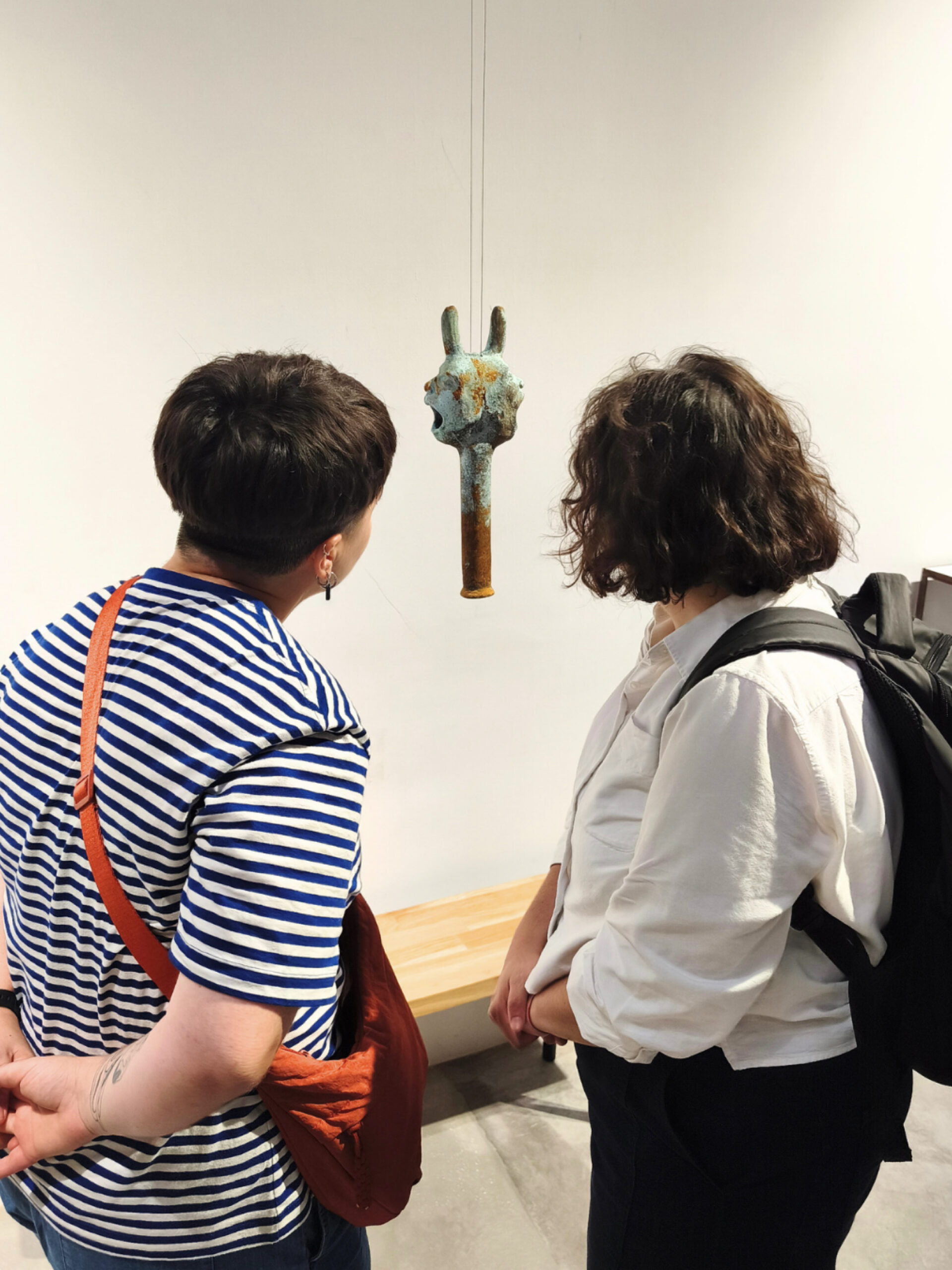
Taíno cemíes are sacred objects that represent deities, nature spirits, or ancestors and occupy a central place in their worldview. They were usually carved in stone, wood, bone, or shell, and took anthropomorphic, zoomorphic, or hybrid forms. They were not simple sculptures: it was believed that cemíes contained or channeled spiritual forces and could influence essential aspects of life, such as fertility, rain, health, group protection, or balance with nature.
Cemíes were closely linked to ancestor worship and rituals led by caciques or behiques (shamans). They were kept in special spaces and activated through ceremonies, songs, and offerings.
Gratitude in Two Languages
If kansha is the conscious recognition of care received in Japanese culture, in the Taíno universe that gratitude manifests as reciprocity with life. One does not give thanks with words, but with gestures that return to the earth, to the spirits, and to the community what has been received. The symbolic equivalent of kansha in the Taíno world could be the conscious offering.
For the Taíno, to give thanks was to return a part of the harvest, a food, an object worked with the hands, not as sacrifice, but as balance. The cemí does not receive gratitude, it embodies it: it is the material memory of the bond between humans, nature, and ancestors. To give thanks is to keep that bond alive. In the areíto, the body became movement (dance, song, rhythm) and expressed what needs no words. Gratitude is collective, shared, and celebratory.
For the Taíno, to give thanks is to recognize that one is part of a chain: ancestors, the living, and future generations. Gratitude does not look only to the past, but cares for the future.
If kansha, for the Japanese, is to say: “I recognize what you have given me,” the Taíno version would be: “I return to the world what allows me to exist.”
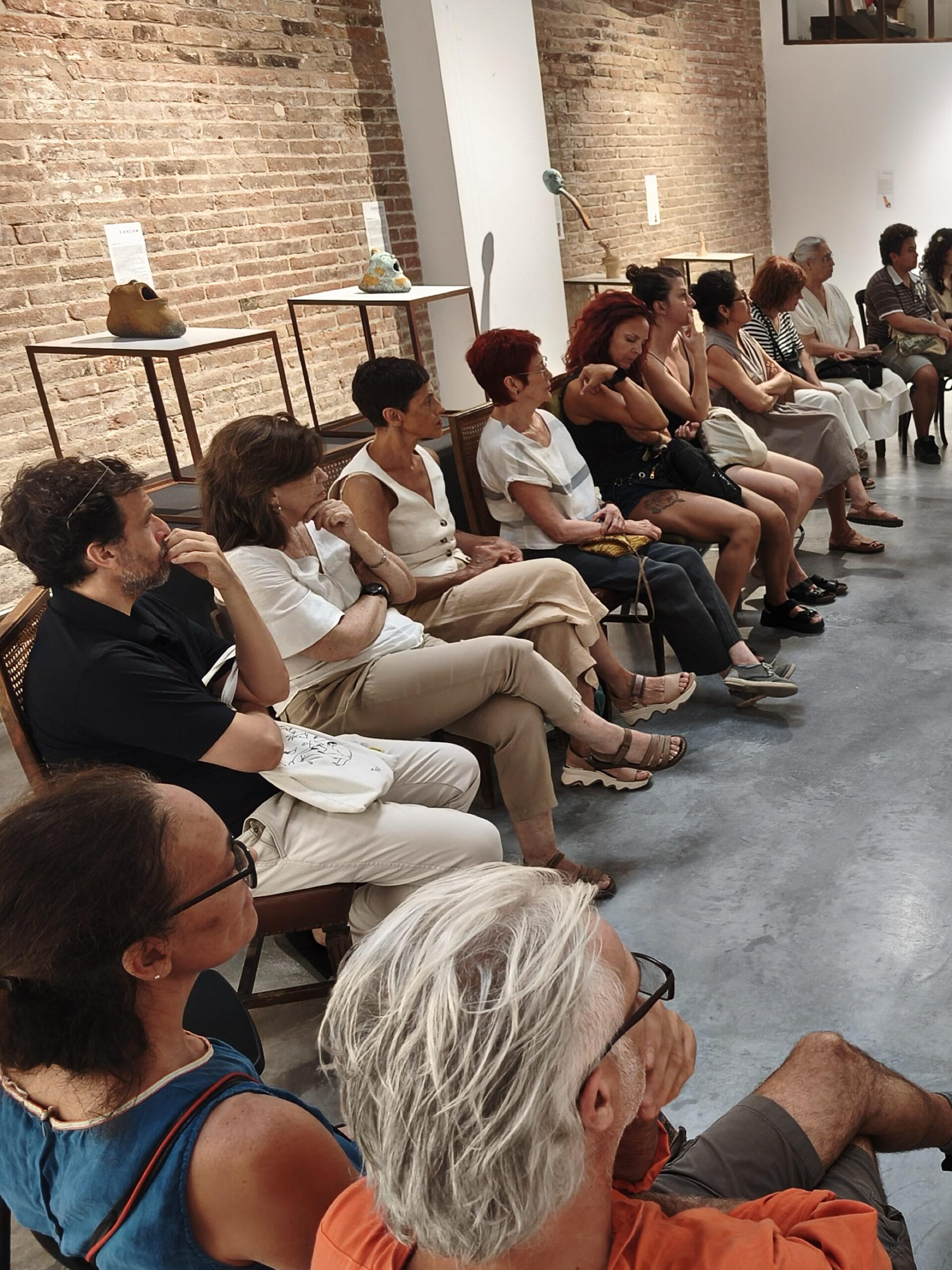
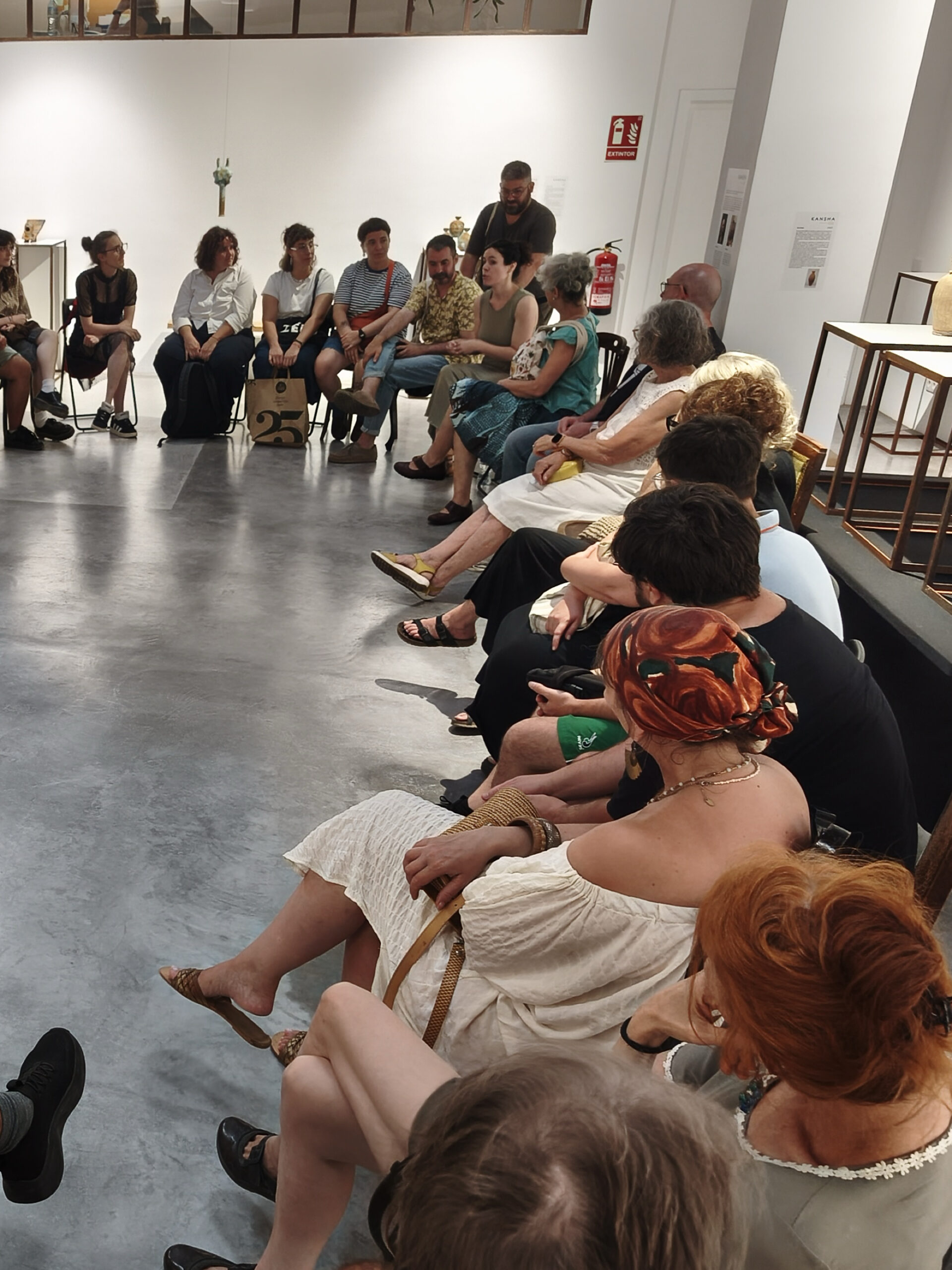
Kansha was open to the public at Musubu Espai Cultural from July 2 to 19, 2026.
Miguel Rivas
Cultural Manager