Madrigal and Pairing: Virgula Ensemble Concert “La grande e la piccola morte”
Madrigal and Pairing is a double activity: a Renaissance madrigal concert by Virgula Ensemble, followed by a paired tasting with a small bite and a drink inspired by 15th-century recipes.
The Concert
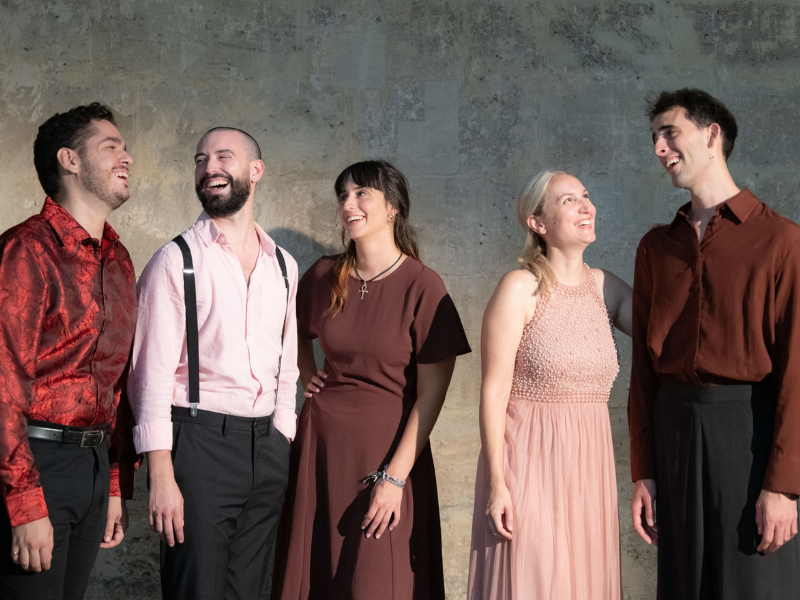
VIRGULA ENSEMBLE offers a reflection on the poetic concept contained in the word “death” within the Italian madrigal tradition.
This metaphorical meaning, widely used in Renaissance poetry, often alludes to orgasm, to the lover’s total surrender after consummation. What in a superficial reading might be understood as a lament, a battle, or a tragic event is, in reality, pure eroticism.
“Morte” or “morire” have been words used with a clear double-meaning intention, such that the erotic or tragic significance of the pieces is not always evident. The program invites the audience to participate with active listening, to discern between both possibilities, to let themselves be misled, seduced, and captivated by the thousand nuances that can be expressed through the “thousand deaths.”
Madrigal concert: five-voice songs from the Renaissance and early Baroque with themes of love.
The Tasting
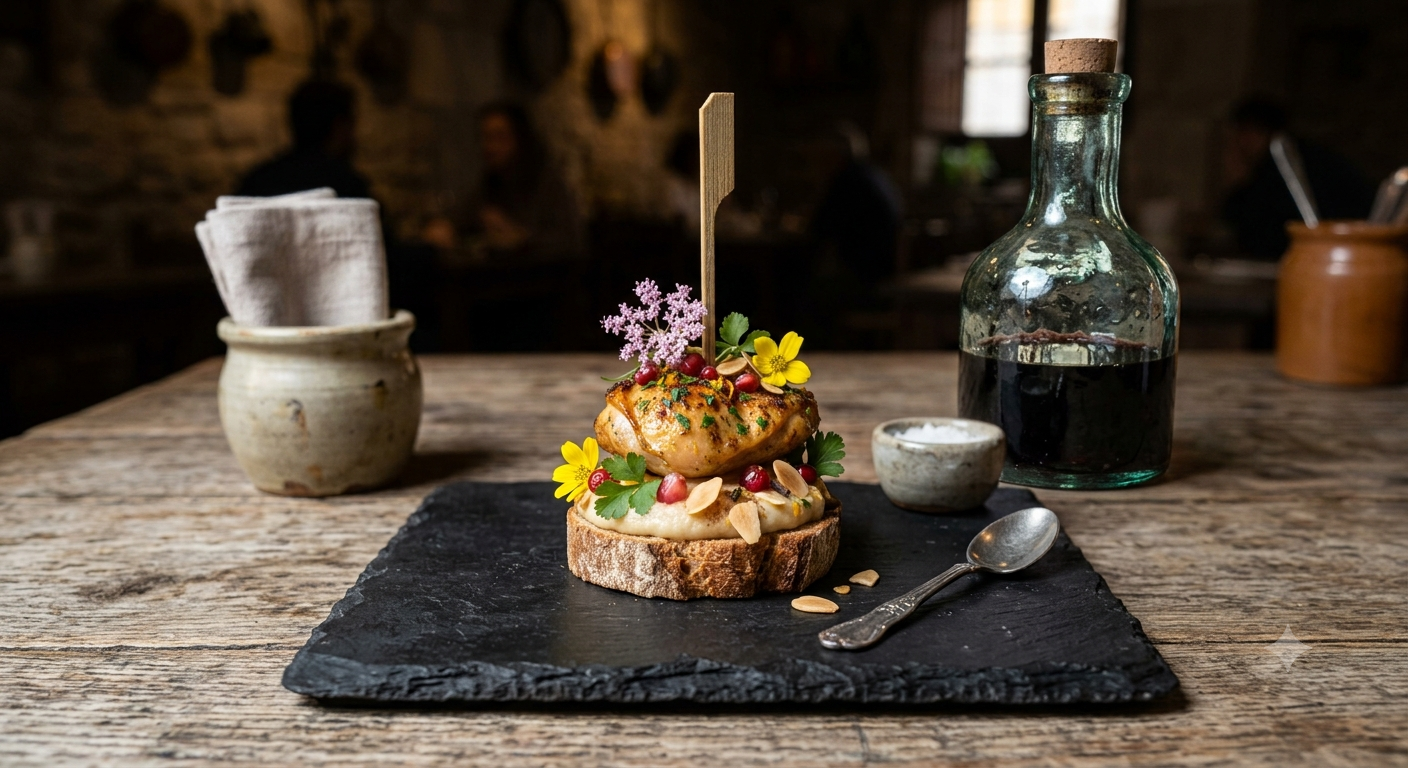
Bite inspired by recipes from “De Arte Coquinaria” by Martino da Como, published in the 15th century by one of the most influential chefs of the era. The use of spices and flowers and the combination of sweet and savory was common in courtly kitchens; for this version, the sweetness has been lightened to suit contemporary taste.
- Bite: manjar blanco with chicken marinated in citrus and clove, roasted. Manjar blanco is a thick sauce, almost fully set, made with almonds and quite spiced and sweet—today it’s a dessert, but in the 15th century it was a savory dish with chicken.
- Drink: hippocras. A drink popular in the Middle Ages throughout Europe until well into the 18th century, made with wine and honey and spices such as nutmeg, cinnamon, clove, ginger, or black pepper.